The Low-Ignition Trap: Lighting Where Ether, Carbon Disulfide and Solvents Force T4, T5 or T6 Explosion Proof Lighting KyleNov 8, 2026
Gas Groups A, B, C, D vs IIA, IIB, IIC: The Letter Trap in NEC–IEC Conversion Explosion Proof Lighting KyleNov 7, 2026
Auto-Ignition Temperature Table: 30+ Industrial Gases Mapped to Gas Group and T-Class Explosion Proof Lighting KyleNov 7, 2026
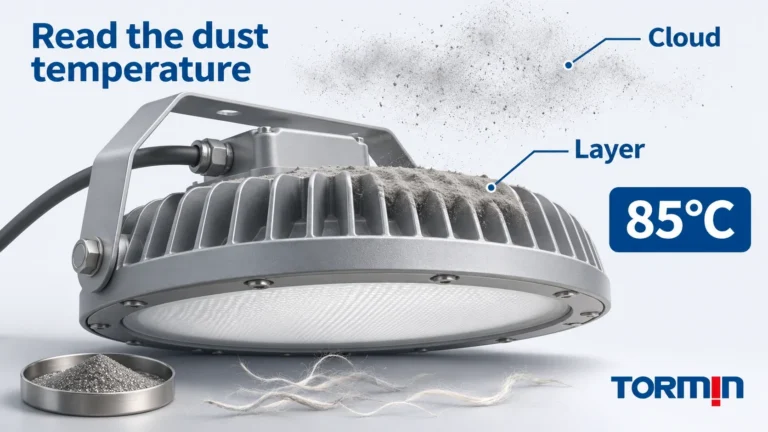
Dust Groups IIIA, IIIB and IIIC: Why Dust Markings Show °C, Not a T-Class Explosion Proof Lighting KyleNov 7, 2026
Zone 1 vs Zone 2 Explosion Proof Lighting: What Actually Costs More and Why Explosion Proof Lighting KyleNov 6, 2026
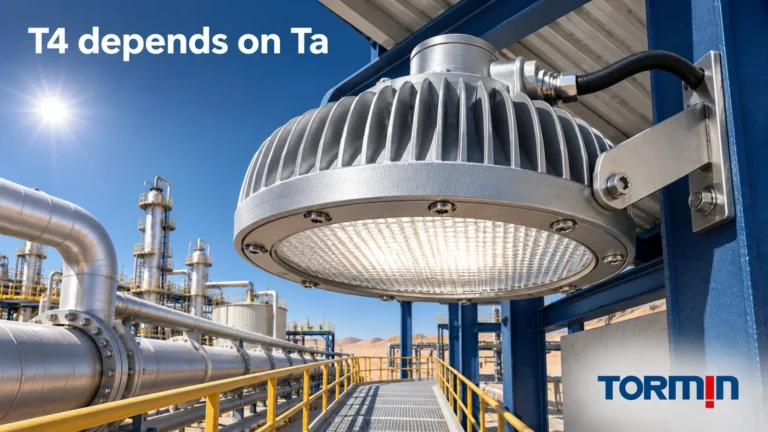
Temperature Class and Ambient Temperature (Ta): Why a T4 Light May Not Stay T4 in a Hot Plant Explosion Proof Lighting KyleNov 6, 2026
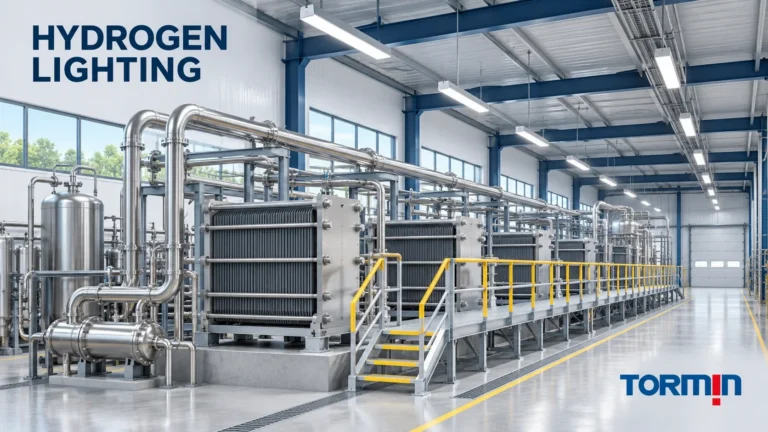
Explosion Proof Lighting for Hydrogen: Why Hydrogen Needs IIC — but Not Automatically T6 Explosion Proof Lighting KyleNov 5, 2026
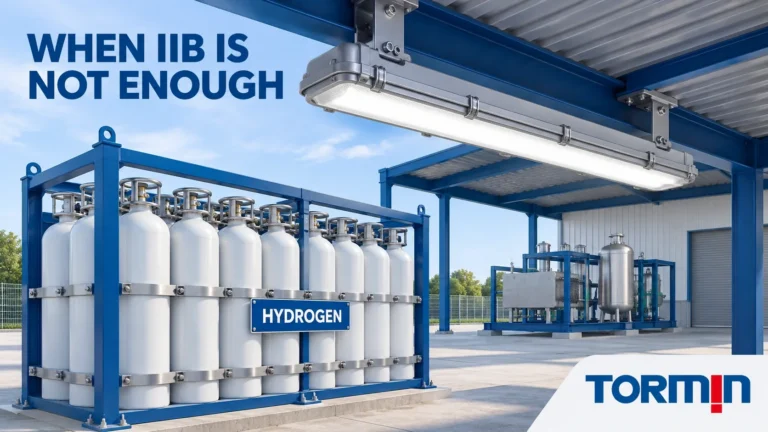
IIB vs IIC Explosion Proof Lighting: When IIB Stops Being Enough Explosion Proof Lighting KyleNov 5, 2026
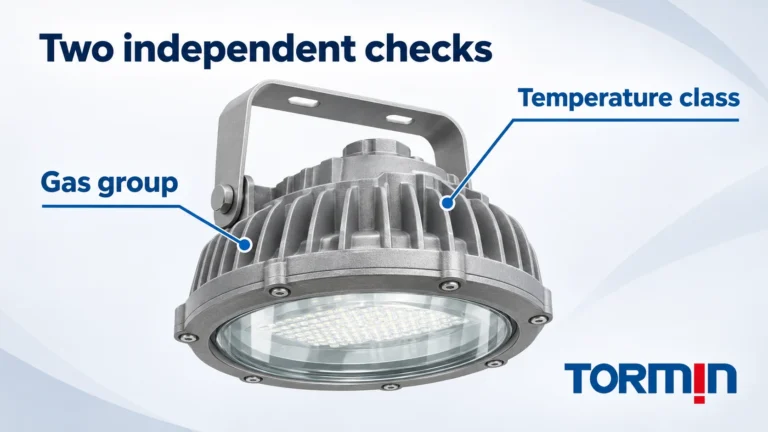
How to Choose Explosion Proof Lighting by Gas Group and Temperature Class Explosion Proof Lighting KyleNov 4, 2026
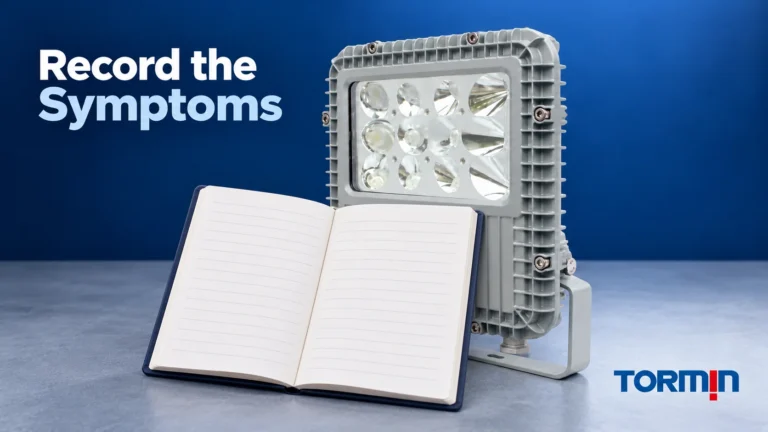
Explosion-Proof LED Lighting Troubleshooting: What to Record Before Contacting Support Explosion Proof Lighting KyleOct 24, 2026
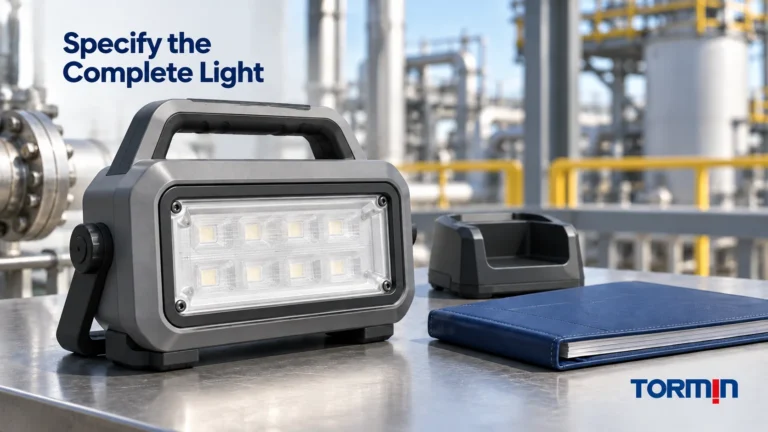
Intrinsically Safe vs Explosion Proof Portable Lights: What to Specify Explosion Proof Lighting KyleOct 21, 2026