Restricted Breathing Fixtures: Why They Get a Lower T-Rating — and Why Some Sites Ban Them Explosion Proof Lighting KyleNov 10, 2026
Can You Use IECEx or ATEX Equipment in the USA? The AEx Marking Explained Explosion Proof Lighting KyleNov 10, 2026
Can You Use General-Purpose Lighting in a Division 2 or Zone 2 Area? Explosion Proof Lighting KyleNov 9, 2026
Do Explosion Proof Light Fixtures Need Conduit Seals? Class I Division 1 vs Division 2 Explosion Proof Lighting KyleNov 9, 2026
How to Determine Your Class, Division or Zone Rating for Explosion Proof Lighting Explosion Proof Lighting KyleNov 8, 2026
The Low-Ignition Trap: Lighting Where Ether, Carbon Disulfide and Solvents Force T4, T5 or T6 Explosion Proof Lighting KyleNov 8, 2026
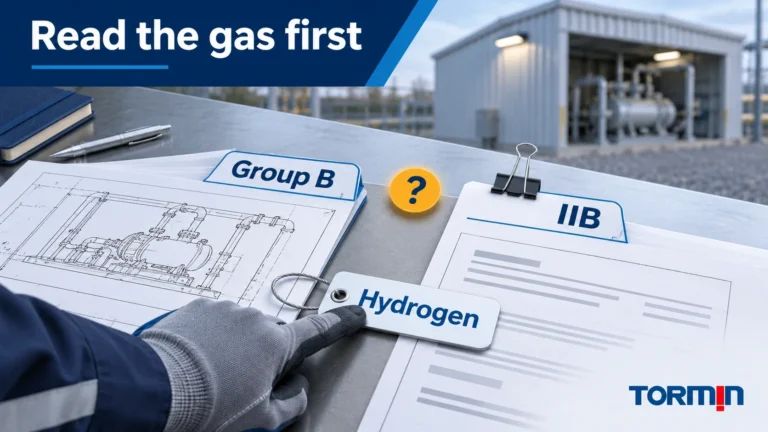
Gas Groups A, B, C, D vs IIA, IIB, IIC: The Letter Trap in NEC–IEC Conversion Explosion Proof Lighting KyleNov 7, 2026
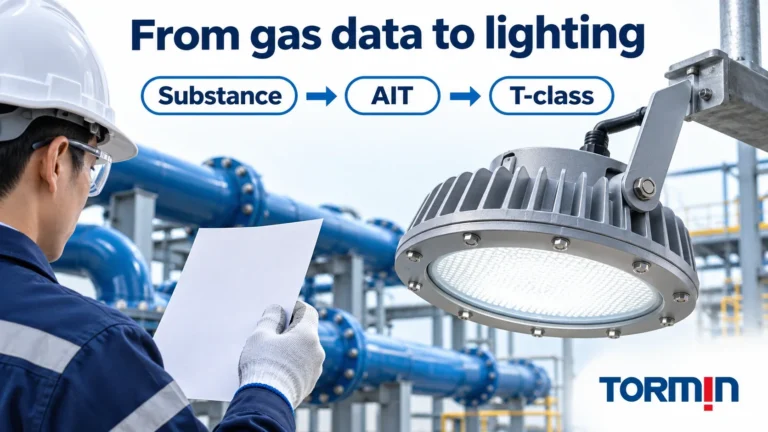
Auto-Ignition Temperature Table: 30+ Industrial Gases Mapped to Gas Group and T-Class Explosion Proof Lighting KyleNov 7, 2026
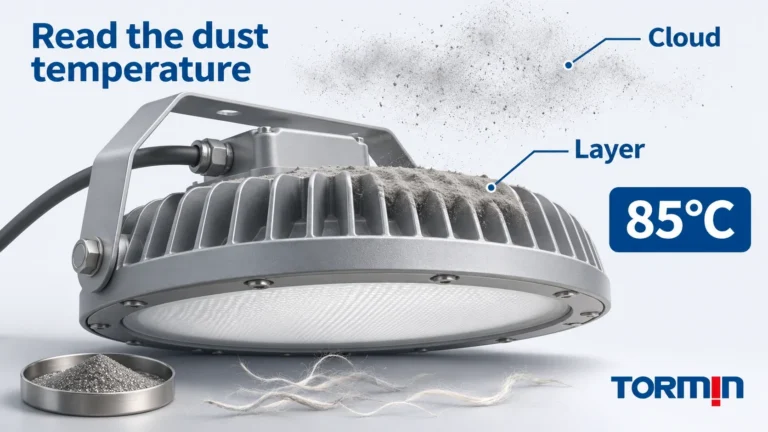
Dust Groups IIIA, IIIB and IIIC: Why Dust Markings Show °C, Not a T-Class Explosion Proof Lighting KyleNov 7, 2026
Zone 1 vs Zone 2 Explosion Proof Lighting: What Actually Costs More and Why Explosion Proof Lighting KyleNov 6, 2026
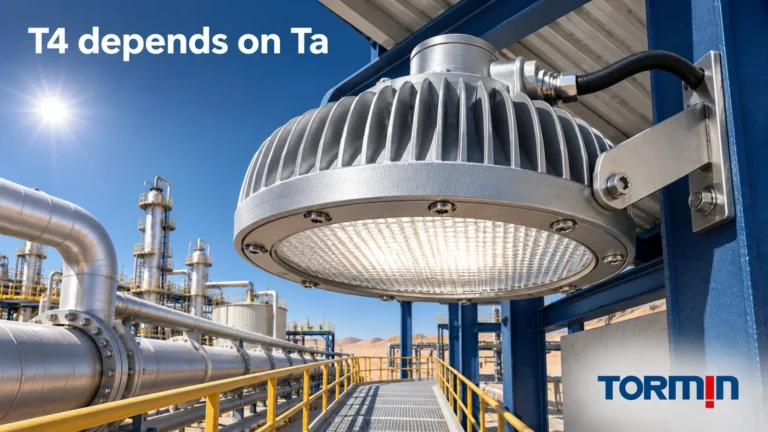
Temperature Class and Ambient Temperature (Ta): Why a T4 Light May Not Stay T4 in a Hot Plant Explosion Proof Lighting KyleNov 6, 2026