
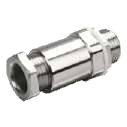
Ex d Cable Gland
Ex d entry family · unarmoured cable
- Material options
- Brass / stainless steel
- Cable type
- Unarmoured
- Ingress protection
- IP66
Selected series for different installation requirements.
Ex d entry family · unarmoured cable
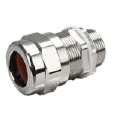
Ex e entry family · unarmoured cable
Check the exact model marking, certification scope and installation conditions. An IP rating alone does not establish hazardous-area suitability.
Key differences to guide your enquiry. Open each product for its full specification.
| Series | Selection focus | Key specification | Configuration detail | Your enquiry |
|---|---|---|---|---|
| Ex d Cable Gland | Ex d entry family · unarmoured cable | Material optionsBrass / stainless steel | Cable typeUnarmoured | |
| Ex e Cable Gland | Ex e entry family · unarmoured cable | Material optionsBrass / stainless steel | Cable typeUnarmoured |
Family ranges cover multiple versions; not every combination is available. Values shown retain the configuration qualifiers in the product documentation.
Compare the listed Ex d and Ex e cable-entry families. Cable construction, diameter, thread and protection requirements must be checked together.
Discuss your requirementsProvide construction, outside diameter and sheath details; the listed families are for unarmoured cable.
Confirm thread type, size, engagement and available installation space.
Match the gland to the enclosure and applicable installation requirements.
Choose brass or stainless steel as documented and confirm environmental and temperature requirements.
Use the exact model reference to bring the product data and your installation requirements together.
Available documents and approval scope vary by model and version.
Details that help move your selection forward.
Do not assume so. Select the entry device for the enclosure protection concept, cable and installation requirements.
The shown families are listed for unarmoured cable. Provide the cable construction if a different arrangement is required.
No. The protection concept, certification conditions, cable sealing range and thread arrangement also require verification.
Provide construction, outside diameter and sheath details; the listed families are for unarmoured cable. Include a model reference if you have one.
Include the required configuration, quantity and supporting document requirements in your message.